
before you fund it.
- Overview sessions — get a deep understanding of how the business works
- Reports — detailed research and analysis on market, regulations, technical and financial aspects
- Location analysis — find the right location for your plant with deep data analysis across 4,000+ industrial areas
- RFQ tool — compare vendor quotes, find the missing points, and filter the right one for you
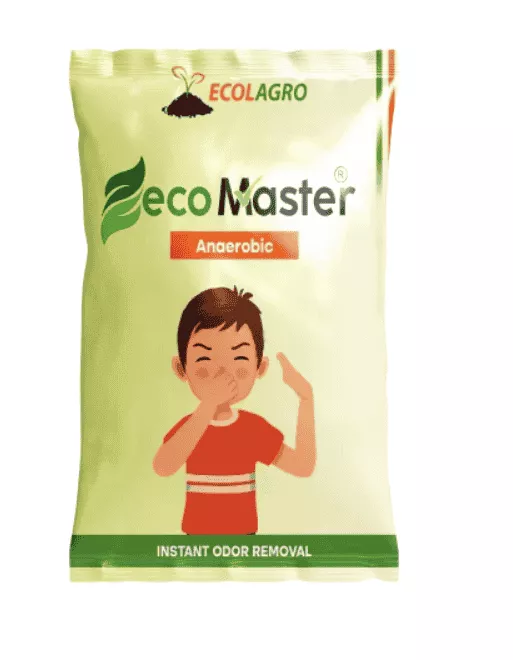
Ecomaster Anaerobic
Ecolagro Private LimitedEcomaster Anaerobic bio-culture is a blend of naturally safe, eco-friendly microbial strains consisting of a wide variety of isolated species and anaerobic bacteria strains. These bacteria thrive in environments without free oxygen and instead, extract oxygen from their food source. This allows them to efficiently degrade complex organic matter in wastewater systems without relying on external oxygen supply.
As Ecomaster Anaerobic bacteria break down organic sludge, they generate by-products such as methane and biogas, making them highly efficient for waste-to-energy processes. This helps reduce the accumulation of waste while providing a renewable source of energy. By using anaerobic bioculture, wastewater treatment plants can improve their operational efficiency, reduce waste management costs, and contribute to a more sustainable, eco-friendly process.
Benefits of Ecomaster Anaerobic
Degrade High COD & BOD
Ecomaster Anaerobic effectively reduces high chemical oxygen demand (COD) and biological oxygen demand (BOD) in wastewater. By breaking down complex organic compounds, it enhances the quality of effluent and ensures compliance with environmental discharge standards.
Increase Methanogenesis & Biogas
It accelerates the methanogenesis process, leading to higher biogas production. The methane generated can be used as a renewable energy source, contributing to both sustainability and cost-efficiency in waste treatment facilities.
Improve Plant Efficiency
Ecomaster reduces plant commissioning time and boosts the efficiency of digesters or UASB reactors. It stabilizes the treatment process, allowing for faster start-up times and improved system performance.
Degrade Oil & Grease
The bacteria in Ecomaster are highly effective at degrading oils, grease, and other complex compounds, making it ideal for industries dealing with such contaminants in their wastewater.
Reduce Odour
Ecomaster minimizes unpleasant odors by efficiently degrading organic waste and controlling sulfur compounds, which are often the source of foul smells in treatment plants.
Reduce Sludge Generation
It significantly reduces the production of excess sludge, cutting down on waste management costs and minimizing the environmental footprint of the wastewater treatment process.